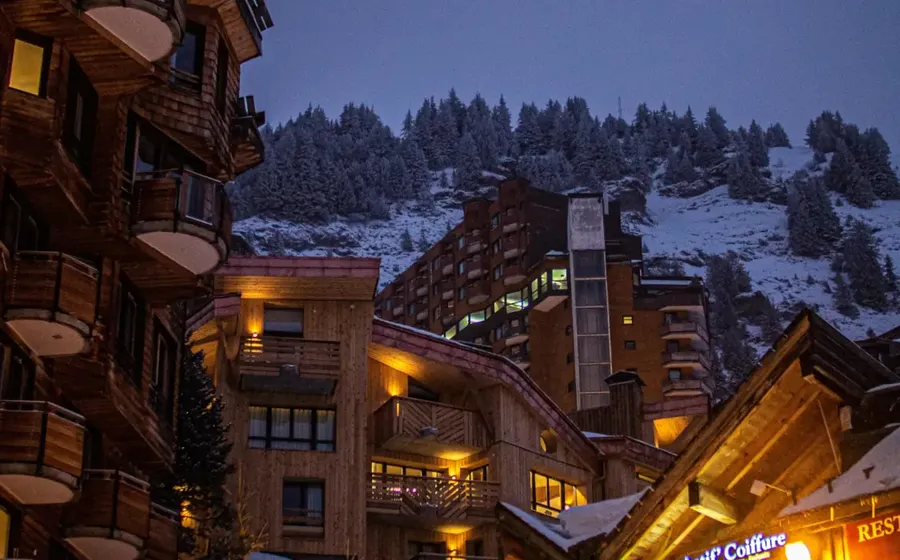
Val d'Isère

France • Tarentaise
⛷ Tignes - Val d'Isère 300 km slopes 🏔 1550–3450 m ❄ Snow-sure 🧊 Glacier skiing

Resort overview

Val d’Isère is a high-altitude French ski resort at 1,850 m with direct access to the 300 km Tignes–Val d’Isère area, combining serious advanced terrain, strong intermediate skiing, reliable snow and a lively traditional village.

Ski area
Tignes - Val d'Isère
Piste
300 km
Altitude
1550–3450 m
Resort type
Village
Season
November – May
Recommended airport
Chambéry Savoie Mont Blanc Airport (CMF)

Been to Val d'Isère before?

Add a quick SNOW EXP review and help other people judge the transfer, value, après-ski and who this resort really suits.

Review this resort

Plan this resort

Choose your departure airport in the planner, then save the best route for Val d'Isère.

🗺️ Open in planner

Quick traits

Snow-sure Yes
Glacier skiing Yes
Night skiing No
Car-free No

Resort ski map

Val d'Isère lifts, pistes and resort location

Explore the ski area around Val d'Isère before choosing where to stay. Use the resort view for lifts and pistes, or switch to the airport route view to see the transfer context.

📍 Tarentaise, France ✈ Chambéry Savoie Mont Blanc Airport (CMF)

Tip: tap or click the map to zoom. Drag to explore lifts, pistes, resort areas and airport context.

Airport options

Geneva Airport (GVA)

Typical transfer: 🚐 180 mins

Notes: Major international gateway.

Lyon-Saint Exupéry Airport (LYS)

Typical transfer: 🚐 190 mins

Notes: Solid fallback option.

Highlights

300 km of linked Tignes–Val d’Isère skiing with 161 marked runs and 71 lifts
High-altitude terrain from about 1,550 m to over 3,400 m for strong snow reliability
Bellevarde, Solaise and Fornet/Iseran offer very different skiing from one village base

More about Val d'Isère

Val d’Isère is one of the major ski resorts of the French Alps, combining a traditional Tarentaise village at 1,850 m with direct access to the high-altitude Tignes–Val d’Isère ski area. Official resort information lists 300 km of marked pistes, 161 runs and 71 lifts, with skiing extending from about 1,550 m to more than 3,400 m. That scale and altitude make Val d’Isère a genuine full-week destination rather than simply a famous village attached to a larger neighbouring ski area.

The ski terrain is spread across several distinct sectors. Bellevarde is central to the resort’s advanced-skiing reputation, with long descents, steeper pistes and quick access towards Tignes. Solaise mixes cruising terrain with easier progression areas and is useful for families and intermediates who want to stay closer to the village. Fornet and the Iseran sector push higher towards glacier terrain and can offer a very different high-mountain feel, particularly when snow conditions are best at altitude.

The official piste breakdown across Tignes–Val d’Isère currently includes 21 green, 65 blue, 41 red and 32 black runs. That gives intermediates a large amount of mileage, but Val d’Isère remains especially attractive to stronger skiers because of its red and black pistes, famous off-piste reputation and access to steep high-mountain terrain. Beginners are better served than the resort’s expert image sometimes suggests, with dedicated learning areas and lift access that allows easier return to the village.

Snow reliability is another major strength. The linked ski area rises above 3,400 m and the resort itself sits at 1,850 m, giving Val d’Isère a strong high-altitude profile. The normal winter season runs from late November into early May, and the combination of elevation, extensive lift infrastructure and access to high sectors makes the resort particularly attractive for early-season, peak-winter and spring trips.

Away from the pistes, Val d’Isère has a stronger village identity than many large high-altitude resorts. The centre mixes traditional Alpine architecture with restaurants, bars, shops and a well-known après-ski scene. That balance is important: the resort works for serious skiers who want demanding terrain, but also for mixed groups where dining, nightlife and a lively village matter almost as much as the skiing.

There are trade-offs. Val d’Isère is expensive in peak weeks, some terrain can feel intimidating in poor visibility, and the sheer size of the linked area means first-time visitors benefit from planning sectors rather than trying to cover everything immediately. Strong winds or weather at altitude can also affect upper lifts, so it is useful to know the lower and mid-mountain alternatives.

For a first Val d’Isère ski trip, use the resort’s different sectors strategically: Bellevarde for stronger skiing and access towards Tignes, Solaise for mixed abilities and convenient village access, and Fornet/Iseran for high-altitude terrain. Choose Val d’Isère if your priorities are snow reliability, serious ski quality, 300 km of linked terrain and a lively Alpine village that still feels like a destination in its own right.

Why choose Val d'Isère?

Excellent high-altitude snow reliability; 300 km linked ski area; huge intermediate mileage; serious advanced and expert terrain; famous off-piste reputation; lively après-ski; attractive traditional village centre; long winter season.

Things to know

Expensive in peak weeks; some terrain can feel intimidating in poor visibility; large linked area takes time to learn; upper lifts can be weather-affected; nightlife may feel too lively for visitors wanting a very quiet resort.