Zermatt ski resort combines one of the Alps’ most recognisable mountain settings with a huge high-altitude ski area beneath the Matterhorn. The car-free village sits at about 1,620 m, while lifts and pistes reach 3,883 m at Matterhorn Glacier Paradise. With the international ski pass, the wider Matterhorn Ski Paradise offers up to 360 km of pistes across Switzerland and Italy.
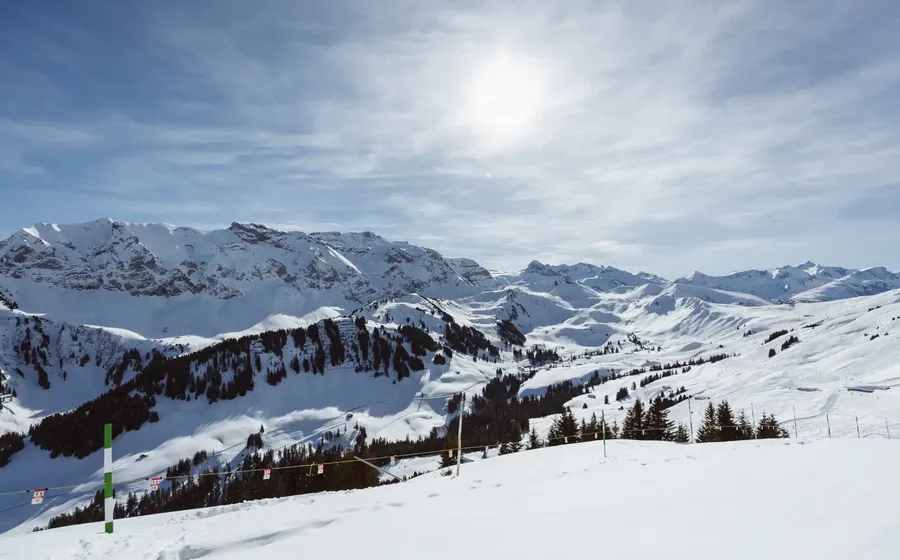
For skiing, Zermatt is particularly strong for intermediates and confident skiers. The Sunnegga-Rothorn, Gornergrat and Schwarzsee-Matterhorn Glacier Paradise sectors provide long groomed descents, high-mountain cruising and enough variety to explore different parts of the mountain over several days. Advanced skiers also have access to steeper pistes and serious off-piste possibilities, although glacier and freeride terrain should be approached with the right experience, equipment and qualified local guidance.
The international connection is a major part of the appeal. When weather and lift operations allow, skiers can cross the border to Breuil-Cervinia in Italy and return to Zermatt within the same ski day. The Italian side adds long, wide cruising pistes and a different mountain atmosphere, making the cross-border area one of Zermatt’s most distinctive features. Because the upper links are exposed to wind and weather, it is sensible to check lift status before committing to a day in Italy.
Beginners are catered for by ski schools and easier learning areas, but Zermatt’s size, cost and high-alpine character mean it often suits progressing skiers better than first-time visitors looking for the simplest possible beginner holiday. Mixed-ability groups can still work well here because stronger skiers have a huge amount of terrain while newer skiers can build confidence in dedicated areas before moving onto longer pistes.
Snow reliability is one of Zermatt’s major strengths. The ski area reaches almost 4,000 m and includes glacier terrain, helping support a long season and exceptionally high skiing. Altitude is not a guarantee of perfect snow or weather every day, but Zermatt has a strong structural advantage over many lower Alpine resorts. Mountain restaurants, Matterhorn viewpoints and long scenic descents are also an important part of the experience.
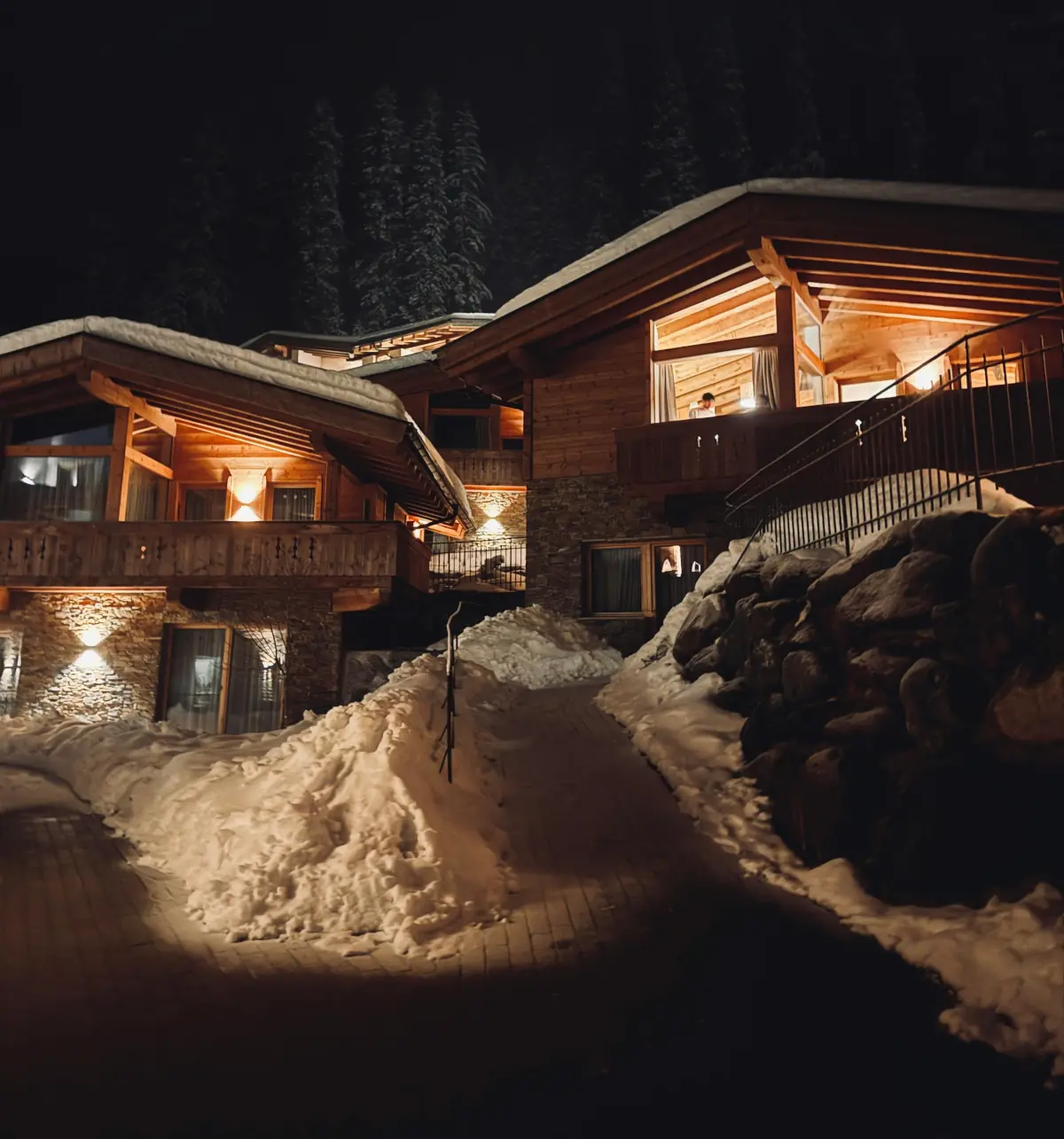
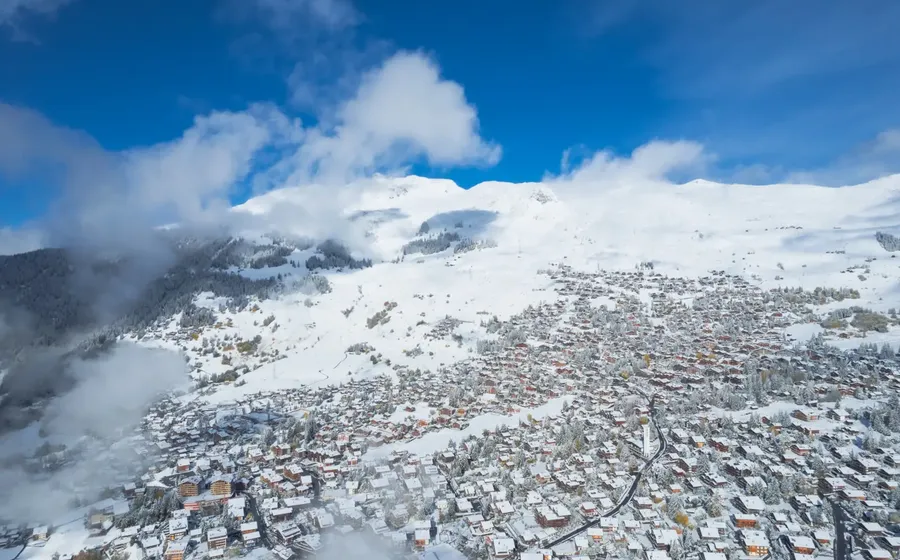
The village is another reason people choose a Zermatt ski holiday. Zermatt has been car-free for decades, with visitors arriving by rail or travelling by road only as far as Täsch before continuing by shuttle train or authorised transfer. The centre combines traditional Valais buildings with high-end hotels, apartments, restaurants, bars and shops, giving the resort a polished atmosphere while retaining a strong mountain-village identity.
Where to stay in Zermatt depends on what matters most to the trip. Some visitors prioritise quick access to a particular lift sector, while others want to be close to the railway station, restaurants and nightlife or prefer quieter streets away from the busiest centre. Choosing the right area can make a noticeable difference to morning lift access, evening atmosphere and how much walking is involved.
For travellers comparing Swiss ski resorts, Saas-Fee is another high-altitude, car-free Valais option with glacier skiing, but on a smaller scale. Verbier is a useful comparison for skiers who put more emphasis on advanced terrain and a lively resort atmosphere, while St Moritz offers a different premium Swiss experience in the Engadin. Zermatt’s particular combination is the Matterhorn setting, very high skiing, international pistes and a substantial car-free village.
Getting to Zermatt requires slightly more planning than reaching many Alpine bases because normal road traffic stops at Täsch. Rail access is therefore especially important, and the most practical airport depends on flight choice, onward rail connections, cost and arrival time rather than distance alone. When comparing the closest airports to Zermatt, Zurich, Geneva, Milan Malpensa and Sion can all be relevant depending on the journey.
Overall, Zermatt is best suited to skiers who value snow reliability, scenery, extensive terrain and a premium resort experience. It is expensive compared with many Alpine alternatives, and both travel and accommodation benefit from advance planning, but few ski destinations combine the Matterhorn, glacier skiing, cross-border pistes and a car-free mountain village on this scale.