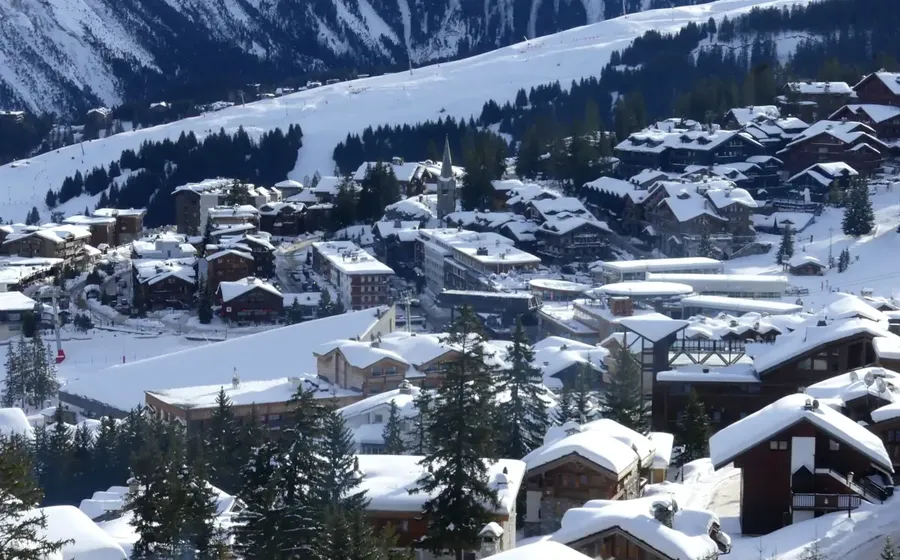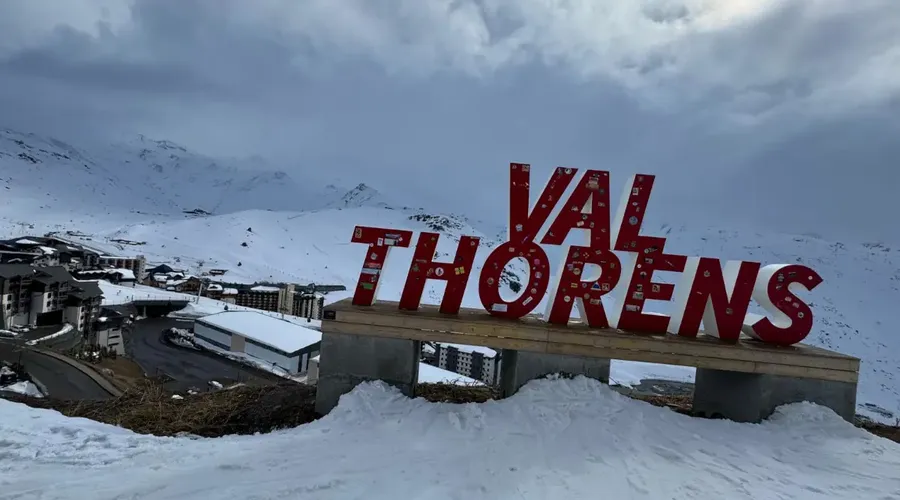
Val Thorens is one of the most distinctive ski resorts in France because altitude is central to almost every part of the experience. The resort sits at 2,300 m in the Belleville Valley, making it the highest ski resort in Europe. Its own Val Thorens–Orelle ski area offers about 150 km of pistes, with 83 runs and 30 lifts, while the wider Three Valleys opens up 600 km of interconnected skiing across resorts including Méribel, Courchevel, Les Menuires and Orelle.
Snow reliability is the main reason many skiers choose Val Thorens. The official resort states that 99% of the ski area is above 2,000 m, with skiing reaching Pointe du Bouchet at 3,230 m. That high-altitude profile supports one of the longest normal ski seasons in the Alps, typically running from late November into early May. It also means that when lower Alpine resorts are struggling with warm conditions, Val Thorens often retains better coverage higher up.
The local ski area is varied enough to work without immediately buying the full Three Valleys pass. Beginners have Easy Rider zones and progression areas close to the resort, intermediates can spend days cruising broad pistes around sectors such as Plein Sud, Moraine and Grand Fond, and advanced skiers can seek steeper high-mountain terrain, off-piste routes and the larger mileage available through the Three Valleys connections. The Orelle link also gives access towards the highest skiing on the eastern side of the domain.
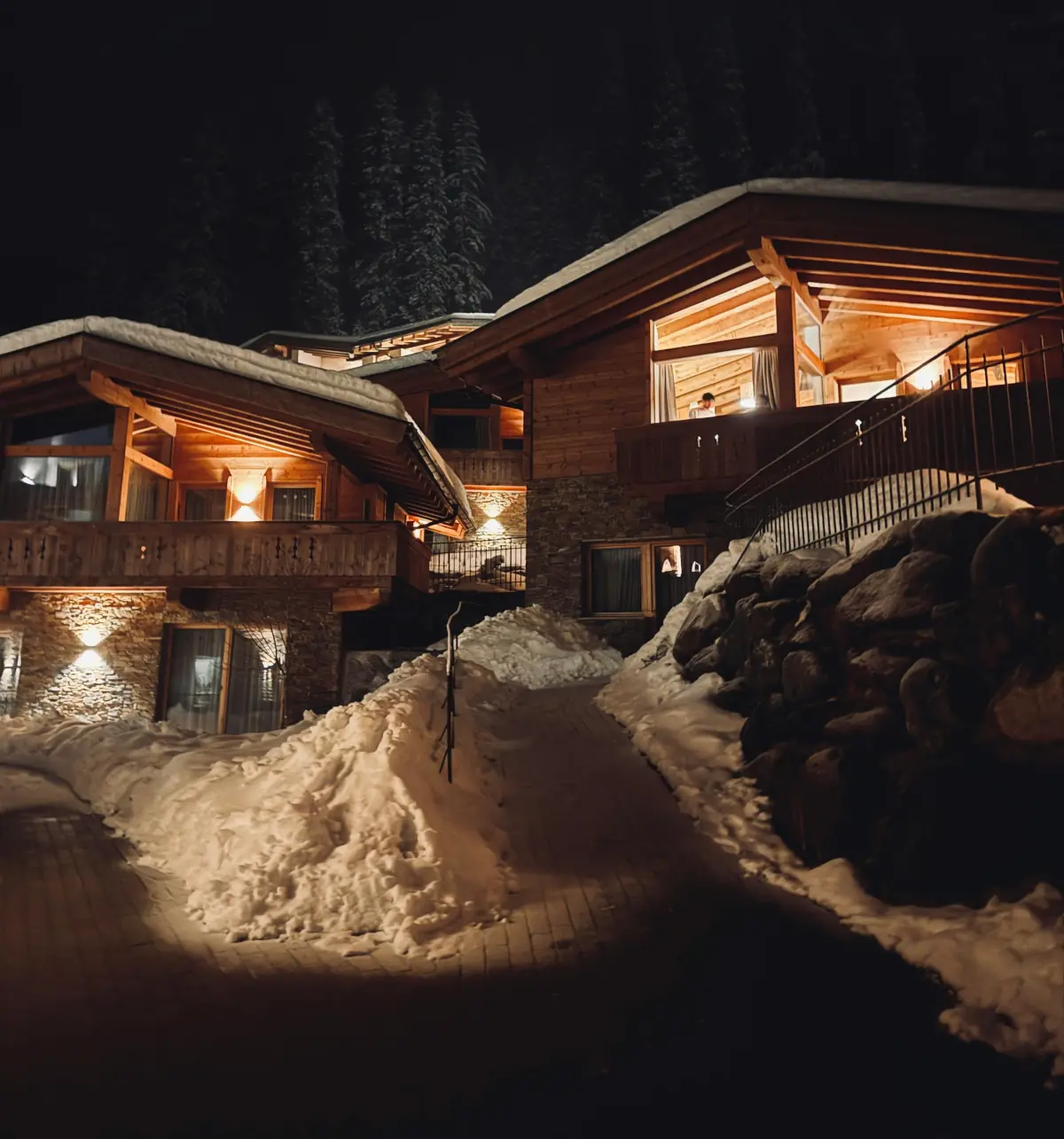
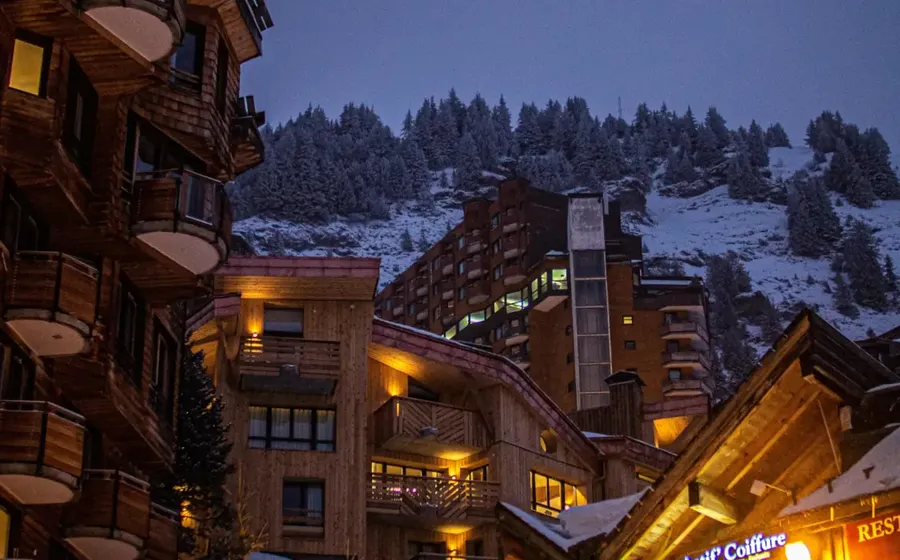
Val Thorens is especially strong for skiers who value convenience. Much of the accommodation is ski-in ski-out or very close to the pistes, so there is less daily shuttling than in a traditional valley town. The compact purpose-built layout puts lifts, rental shops, restaurants, bars and accommodation within a relatively small area. That is particularly useful for groups who want to maximise ski time and avoid complicated morning logistics.
The resort also has a strong après-ski and nightlife reputation. That makes it popular with groups and younger skiers, but the resort is broader than a party destination: families can use dedicated beginner areas, ski schools and pedestrian facilities, while non-ski activities and indoor leisure options help on poor-weather days. The combination of snow security, scale and nightlife is a major part of why Val Thorens has such a strong international profile.
There are trade-offs. At 2,300 m the resort can feel exposed in storms, whiteouts and strong wind, and the purpose-built architecture is less traditional than a historic Alpine village. Altitude can also affect some visitors during the first day or two, so the resort itself recommends taking time to acclimatise. Prices can rise sharply during peak weeks, particularly for well-located ski-in ski-out accommodation.
For a first Val Thorens ski trip, decide whether the 150 km local area is enough for your group or whether you will use the full 600 km Three Valleys network. Choose Val Thorens if your priorities are high-altitude snow, a long season, easy piste access and the ability to combine convenient resort living with one of the world’s largest linked ski areas.