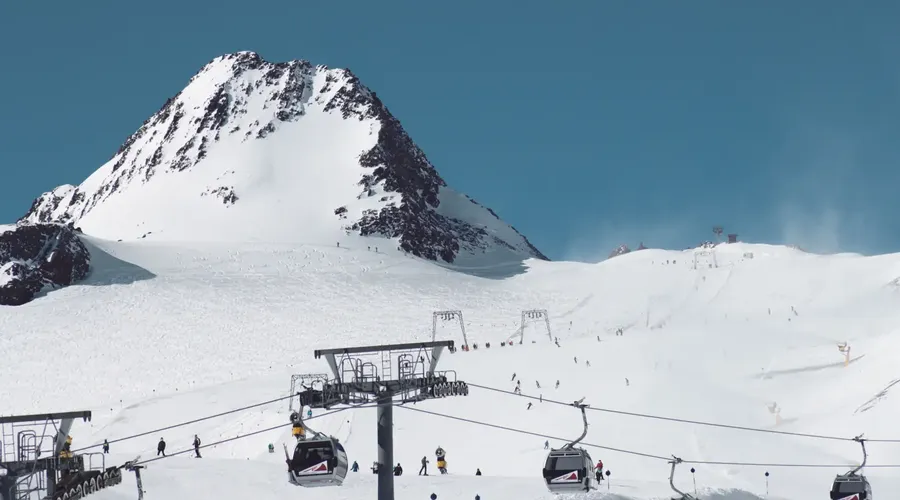
Sölden

Austria • Tyrol
⛷ Sölden 146 km slopes 🏔 1350–3340 m ❄ Snow-sure 🧊 Glacier skiing

Resort overview

Sölden skiing combines 147 km of pistes, 31 lifts and two glacier ski areas between 1,350 m and 3,340 m, with reliable high-altitude snow, strong intermediate terrain and a lively Austrian après-ski scene.

Ski area
Sölden
Piste
146 km
Altitude
1350–3340 m
Resort type
Village
Season
September – May
Recommended airport
Innsbruck Airport (INN)

Been to Sölden before?

Add a quick SNOW EXP review and help other people judge the transfer, value, après-ski and who this resort really suits.

Review this resort

Save this trip

Save Sölden with your selected departure airport.

Quick traits

Snow-sure Yes
Glacier skiing Yes
Night skiing No
Car-free No

Resort ski map

Sölden lifts, pistes and resort location

Explore the ski area around Sölden before choosing where to stay. Use the resort view for lifts and pistes, or switch to the airport route view to see the transfer context.

📍 Tyrol, Austria ✈ Innsbruck Airport (INN)

Tip: tap or click the map to zoom. Drag to explore lifts, pistes, resort areas and airport context.

Airport options

Zurich Airport (ZRH)

Typical transfer: 🚐 180 mins

Notes: Longer major-hub alternative.

Highlights

147 km of pistes and 31 lifts across terrain from 1,350 m to 3,340 m
Two linked glacier ski areas at Rettenbach and Tiefenbach for strong snow reliability
BIG 3 high-mountain skiing, World Cup terrain and lively Austrian après-ski

More about Sölden

Sölden skiing is built around one of Austria’s best-known high-altitude ski areas. Current official resort information lists 147 km of pistes served by 31 lifts, with terrain stretching from about 1,350 m to 3,340 m. Two glacier ski areas — Rettenbach and Tiefenbach — extend the season and give Sölden a level of snow reliability that is one of its strongest reasons to choose the resort.

Intermediate skiers get the broadest benefit from the area. Sölden has long blue and red runs, fast modern uplift and enough vertical to create substantial top-to-bottom descents. The ski area is split across the Giggijoch, Gaislachkogl and glacier sectors, but these are linked by lifts and pistes, so confident intermediates can build full days without repeatedly returning to the same slopes.

Beginners are well served around easier sectors such as Giggijoch, where wide pistes and ski-school terrain make progression relatively straightforward. The high-altitude nature of the resort also means beginners are not confined to low valley nursery slopes. As confidence improves, longer blue runs allow new skiers to experience more of the mountain without immediately moving onto difficult terrain.

Advanced skiers have several genuine highlights. Sölden’s BIG 3 concept links three lift-accessible 3,000 m peaks, creating a high-mountain circuit with major vertical and panoramic viewpoints. The Rettenbach Glacier hosts the annual Alpine Ski World Cup opening and includes the resort’s steepest marked piste, while Gaislachkogl and the glacier sectors provide more demanding red and black terrain. Freeride possibilities also broaden the resort’s appeal for experienced skiers when conditions are suitable.

The glaciers are central to Sölden’s identity rather than a small add-on. Rettenbach and Tiefenbach sit roughly between 2,675 m and 3,250 m and together provide more than 34 km of glacier pistes. They are connected by a ski tunnel, allowing skiers to move between the two glacier sectors without removing skis. This high-altitude terrain supports skiing from autumn through spring and is particularly valuable in warmer periods when lower Alpine slopes may be more vulnerable.

Sölden also has a strong resort atmosphere. The village is lively, with a large choice of bars, restaurants and après-ski venues, and it is especially popular with groups and couples who want entertainment after the lifts close. The 007 ELEMENTS James Bond installation at Gaislachkogl gives the resort an unusual non-ski attraction, while mountain restaurants and viewing platforms add variety during the ski day.

There are trade-offs. Sölden can be busy during peak weekends and holiday weeks, accommodation and mountain prices can be high, and the energetic nightlife will not suit visitors seeking a quiet village. High-altitude weather can also bring wind and poor visibility on exposed upper slopes. Although the ski area has major vertical, it is smaller in piste kilometres than Austria’s very largest linked domains.

For a first Sölden skiing trip, start around Giggijoch to learn the area, then add Gaislachkogl and the glacier sectors once the group is comfortable. Choose Sölden if your priorities are reliable high-altitude snow, 147 km of varied pistes, two glaciers, modern lifts, serious vertical and a lively resort atmosphere.

Why choose Sölden?

Excellent high-altitude snow reliability; two glacier ski areas; 147 km of varied pistes; 31 modern lifts; strong intermediate terrain; major vertical; good advanced skiing; lively après-ski and long autumn-to-spring season.

Things to know

Busy in peak periods; lively nightlife will not suit everyone; upper slopes can be exposed to wind and poor visibility; prices can be high; fewer piste kilometres than Austria’s very largest linked ski areas.