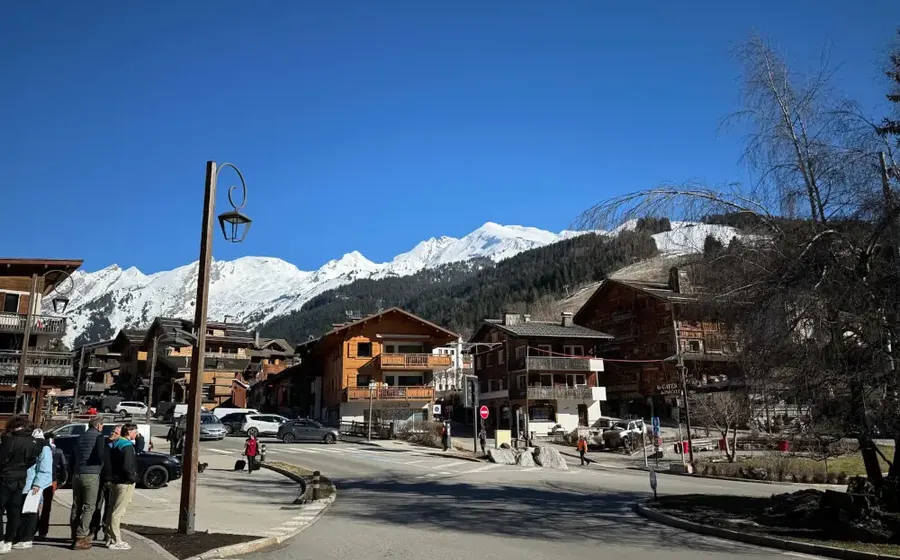
Chamonix-Mont-Blanc is one of the best-known ski destinations in the French Alps, combining high-mountain skiing, mountaineering heritage and a lively year-round town beneath Mont Blanc. Chamonix is not one compact, fully linked ski resort: skiing is spread across several valley sectors, including Brévent-Flégère, Grands Montets, Balme and Les Houches. That variety is a major part of its appeal, but choosing the right sector for each ski day matters.
Confident intermediates and advanced skiers have the strongest reason to choose Chamonix. Grands Montets is associated with big vertical and serious high-mountain terrain, while Brévent-Flégère combines groomed pistes with broad Mont Blanc views. Balme offers wider, gentler slopes, and Les Houches adds another substantial ski area with terrain for a range of abilities. Beginners also have dedicated learning options at Le Savoy and Les Planards. Because the main ski areas are not one seamless lift-linked network, the valley bus and rail system is useful when planning a full Chamonix ski week.
The Vallée Blanche is central to Chamonix's high-mountain reputation, but it is an ungroomed glacier itinerary rather than a normal marked piste. It should be treated as a separate mountain objective requiring suitable conditions, equipment and appropriate professional guidance, not as an ordinary run within the Chamonix piste network.
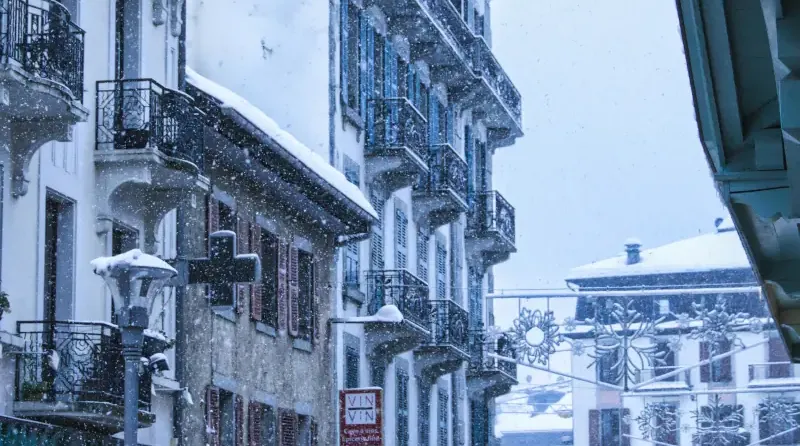
Away from the slopes, Chamonix feels more like a real Alpine town than a purpose-built ski resort. Restaurants, bars and shops sit alongside major non-ski attractions such as the Aiguille du Midi and Montenvers-Mer de Glace. That makes Chamonix particularly useful for mixed groups where not everyone wants to ski all day. When choosing a base in the valley, think about the ski sectors you expect to use most and proximity to bus or rail stops, because central Chamonix does not put every ski area within walking distance.
For travel logistics, use our closest airport to Chamonix guide for the dedicated airport comparison rather than relying on this resort overview. If you are comparing Alpine ski destinations, Courmayeur offers a more compact Italian Mont Blanc base, La Clusaz has a traditional Haute-Savoie village feel, and Avoriaz is a purpose-built, car-free option with extensive linked skiing. Those comparisons help put Chamonix in context: its defining strengths are serious mountain terrain, a lively year-round town and several distinct ski sectors rather than one continuous ski-in/ski-out network.