Chamonix-Mont-Blanc est l'une des destinations ski les plus connues des Alpes françaises. Elle associe ski de haute montagne, histoire de l'alpinisme et ville animée toute l'année au pied du Mont-Blanc. Chamonix n'est pas une station compacte dont toutes les pistes sont reliées : le ski se répartit entre plusieurs secteurs de la vallée, notamment Brévent-Flégère, les Grands Montets, Balme et Les Houches. Cette diversité fait partie de ses grands atouts, mais il faut choisir le bon secteur pour chaque journée de ski.
Les intermédiaires à l'aise et les skieurs confirmés ont particulièrement de bonnes raisons de choisir Chamonix. Les Grands Montets sont associés à un fort dénivelé et à un terrain de haute montagne exigeant, tandis que Brévent-Flégère combine pistes damées et larges vues sur le Mont-Blanc. Balme propose des pentes plus larges et plus douces, et Les Houches ajoute un autre domaine important adapté à plusieurs niveaux. Les débutants disposent aussi de zones d'apprentissage au Savoy et aux Planards. Comme les principaux domaines ne forment pas un réseau continu de remontées, les bus et le train de la vallée sont utiles pour organiser une semaine de ski à Chamonix.
La Vallée Blanche joue un rôle central dans la réputation haute montagne de Chamonix, mais il s'agit d'un itinéraire glaciaire non damé et non d'une piste balisée classique. Elle doit être considérée comme une sortie de montagne à part entière, nécessitant des conditions adaptées, l'équipement approprié et un encadrement professionnel, et non comme une descente ordinaire du domaine skiable.
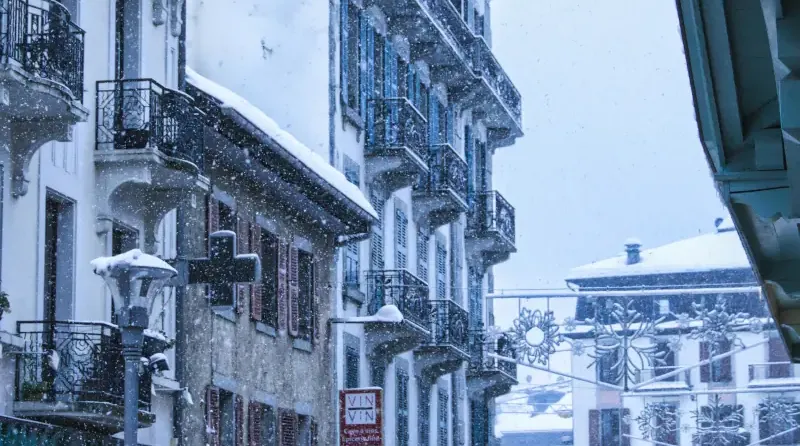
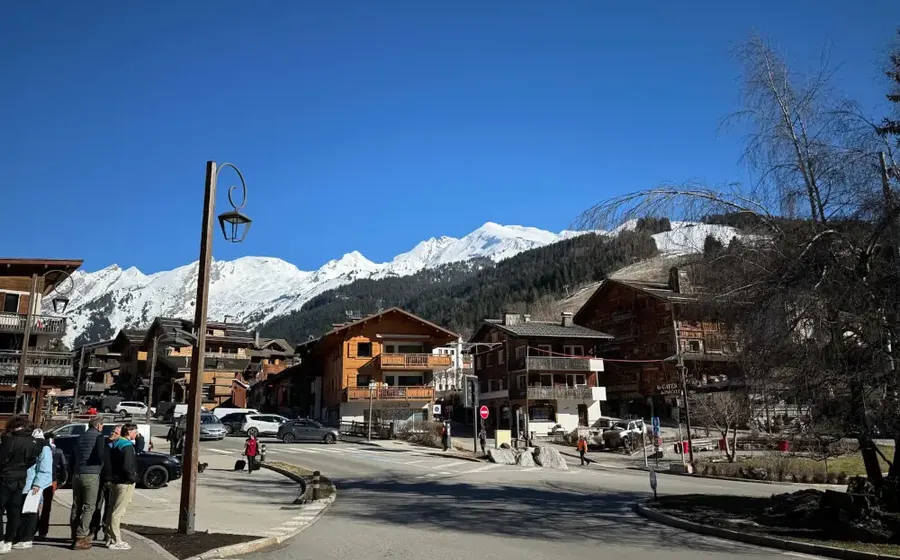
En dehors des pistes, Chamonix ressemble davantage à une vraie ville alpine qu'à une station construite uniquement autour du ski. Restaurants, bars et commerces côtoient des sites majeurs comme l'Aiguille du Midi et le Montenvers-Mer de Glace. Chamonix convient donc particulièrement bien aux groupes mixtes où tout le monde ne souhaite pas skier toute la journée. Pour choisir où séjourner dans la vallée, pensez aux secteurs que vous comptez skier le plus souvent et à la proximité des bus ou du train, car le centre de Chamonix ne place pas tous les domaines à distance de marche.
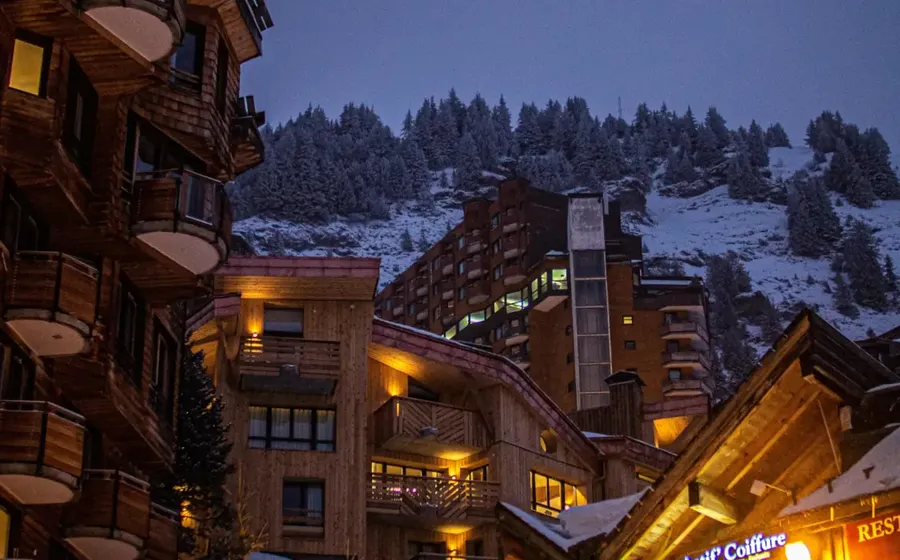
Pour organiser le trajet, comparez les principaux aéroports desservant Chamonix et leurs options de transfert. Pour comparer d'autres destinations alpines, Courmayeur offre une base italienne plus compacte au pied du Mont-Blanc, La Clusaz conserve une forte ambiance de village de Haute-Savoie et Avoriaz propose une station piétonne conçue pour le ski avec un vaste domaine relié. Ces comparaisons mettent en évidence ce qui distingue Chamonix : le terrain de montagne, une ville vivante toute l'année et plusieurs secteurs de ski distincts plutôt qu'un seul réseau skis aux pieds.